Neonatal-Perinatal Medicine
Comprehensive newborn care that families can trust
LEVEL IV NICU
Our neonatologists have advanced training and experience to support medically fragile newborns with the highest level of care — in one of the only Level IV NICUs in North Texas, the highest NICU designation available.
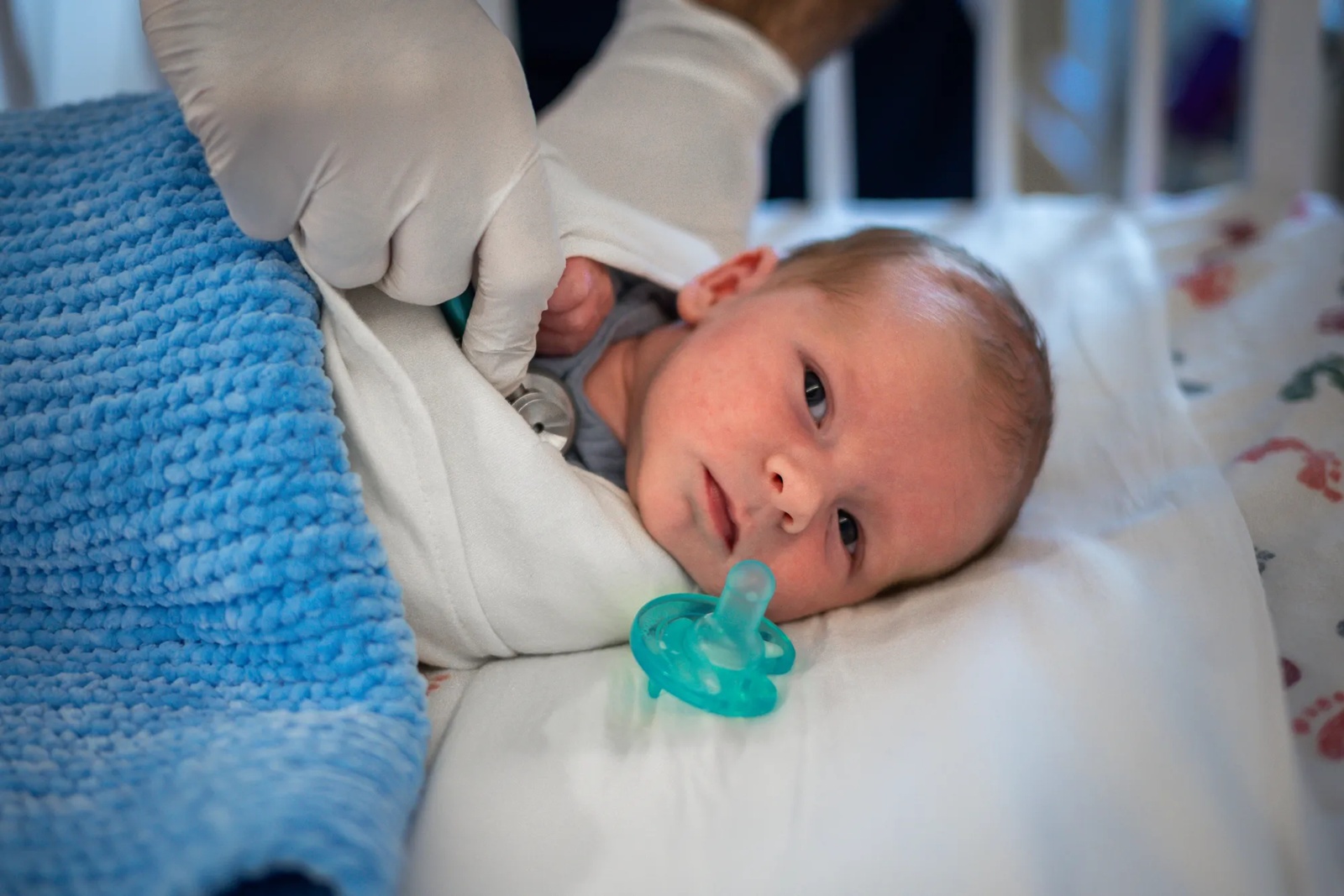
Virtual NICU Care
Our specialists examine newborns virtually, so they can receive expert neonatal care while in their home hospital

PATIENT TESTIMONIAL
“We got the support we needed, and it kept us going. The people here really helped us understand how we were going to get through this.”
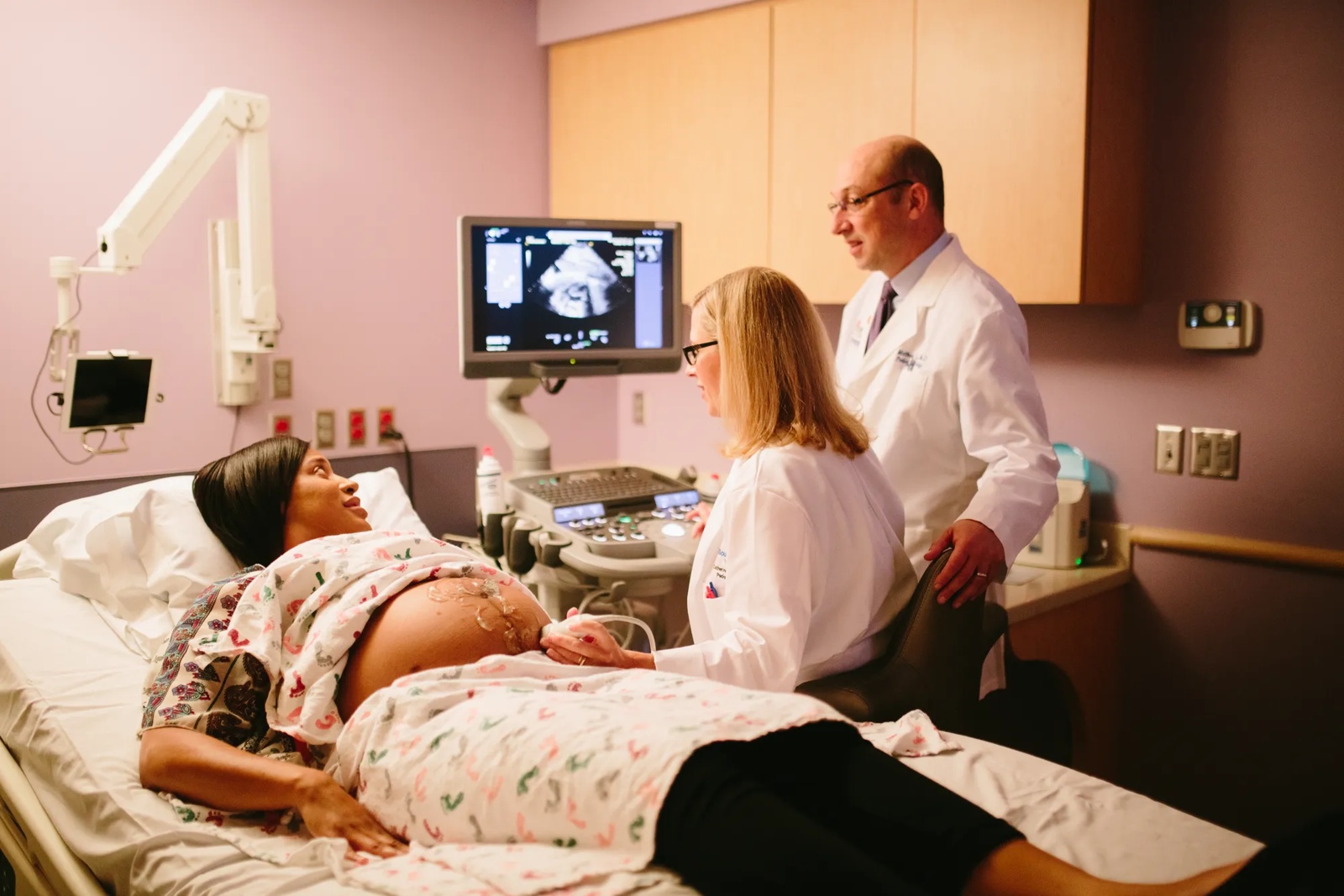
Neonatal-Perinatal care near you in North Texas
Patient Stories
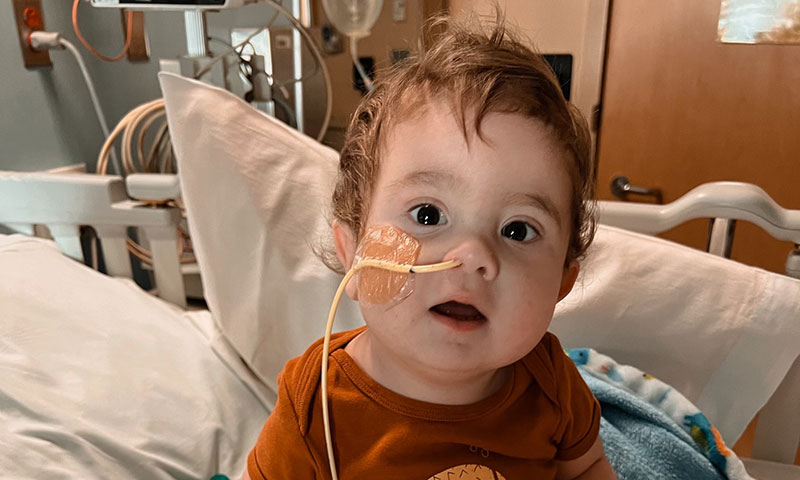
Born with prune belly syndrome, Caden amazes his nephrology team by defying all odds
In the fall of 2020, Rebecca learned she was pregnant with a boy. “I was so excited for my toddler, Jackson, to become a big brother. The future was so bright that my biggest concern was picking a name,” Rebecca says.
Services
How our neonatal-perinatal medicine team can help your child
Our neonatologists and fetal specialists provide advanced care for every situation — from conditions diagnosed before birth to unexpected complications at delivery, to premature babies who need support from their very first breath. If your newborn is in the NICU, our team will walk you through what to expect at each stage, from stabilization in the earliest days to the gradual steps toward going home.
Video
Our Level IV NICU
Children’s Medical Center Dallas was awarded a Certificate of Designation as an Advanced Neonatal Intensive Care Unit (Level IV) by Texas Health and Human Services, Texas Department of State Health Services.
Resources
Support and helpful tools for your family
From preparing for your child’s visit to accessing health insurance information, these resources help families navigate every aspect of their child's care at Children's Health.
Conditions We Treat
Pediatric abdominal masses
Pediatric achondroplasia (dwarfism)
Pediatric ambiguous genitalia
Anencephaly
Anorectal malformation (imperforate anus or ARM)
Congenital arteriovenous malformations
Pediatric biliary atresia
Bladder exstrophy
Bladder outlet obstruction
Bowel atresia
Pediatric chronic lung disease (CLD)
Cloacal exstrophy
Colon atresia
Congenital infections
Congenital pulmonary airway malformation (CPAM)
Congenital lung lesions
Cystic fibrosis (CF) in children
Pediatric cytomegalovirus
Congenital diaphragmatic hernia (CDH)
Down syndrome in children
Pediatric duodenal atresia
Muscular dystrophy (MD) in children
Encephalocele in children
Esophageal atresia (EA)
Pediatric feeding disorder
Pediatric gastroesophageal reflux disease
Gastroschisis
Goldenhar syndrome (oculo-auriculo-vertebral dysplasia or OAV)
Pediatric head and neck lumps
Congenital heart disease
Pediatric craniosynostosis
Pierre Robin syndrome
Pediatric edema
Pediatric enteroviruses
Pediatric toxoplasmosis
Poland syndrome
Pediatric hemophilia
Pediatric Low Blood Pressure (Hypotension)
Pediatric high blood pressure (hypertension)
Hirschsprung's disease
Hydrops
Pediatric hyperbilirubinemia (jaundice)
Pediatric hypotonia
Hypoxic-ischemic encephalopathy (intrapartum asphyxia - HIE)
Pediatric intestinal disorders
Pediatric intraventricular hemorrhage and stroke
Jejunal and ileal atresia
Pediatric lordosis (sway back)
Meconium aspiration in newborns
Pediatric mediastinal mass
Pediatric metabolic diseases
Pediatric necrotizing enterocolitis (NEC)
Newborn tumors
Noonan syndrome (NS)
Omphalocele
Pediatric patent ductus arteriosus (PDA)
Pediatric persistent pulmonary hypertension
Pediatric pleural effusion
Pneumonia in children
Prematurity
Prenatal drug and alcohol exposure
Pulmonary sequestration
Pediatric pyloric stenosis
Renal malformation
Pediatric respiratory distress syndrome (RDS)
Retinopathy of prematurity (ROP)
Pediatric rubella (German measles)
Sepsis and meningitis in children
Pediatric short bowel syndrome
Pediatric first unprovoked seizure
Skeletal dysplasias and abnormalities
Spina bifida
Pediatric syphilis
Tay-Sachs disease
Tracheoesophageal fistula (TEF)
Low birth weight
VATER syndrome (VACTERL association)
Pediatric laryngomalacia
Brachydactyly (symbrachydactyly)
Osteogenesis imperfecta (OI)
Pediatric hydrocephalus
Neonatal diabetes
Pediatric Ehlers-Danlos syndrome (EDS or elastic skin)
Pediatric encephalopathy (encephalitis)
Open neural tube defects (ONTDs)
Pediatric hydronephrosis
More Details
The 411 on Level IV
The highest level of care available, a Level IV means that babies have immediate access to pediatric surgeons, anesthesiologists and sub-specialists trained to care for complex conditions that occur in the womb (congenital), as well as during or after birth (acquired). A Level IV NICU also gives these medically fragile babies access to high-speed transport by ambulance, jet and helicopter, and robust educational offerings and support for their parents and siblings.
Children’s Medical Center Dallas was awarded a Certificate of Designation as an Advanced Neonatal Intensive Care Unit (Level IV) by Texas Health and Human Services, Texas Department of State Health Services.
If your baby arrives early or will need specialized care after birth, you want to know they’re in the best hands. Children’s Medical Center Dallas is home to some of the nation’s top neonatologists who specialize in caring for the most critically ill babies, with the most complex needs.
From prenatal diagnosis through delivery and the NICU, our collaborative and compassionate team is equipped to deliver any care or treatment your baby may need from fetus to 5 years old. We use this expertise – and the latest technologies – to help your baby grow in the hospital and thrive at home.
The most experienced neonatal team in North Texas
Our team cares for more than 650 babies a year, and being a Level IV NICU means we never need to refer your baby to another hospital. With experience in everything from early delivery to congenital abnormalities to fetal surgery, we have the expertise to identify your baby's unique needs and match them with the right care and treatments.
We’re also at the forefront of research, collaborating with our peers to improve prenatal and post-natal care now and for future generations. For example, our work as part of a national research group found that quickly cooling a baby’s whole body helps their brains heal after injury. Now, many hospitals have adopted cooling as a new standard of care.