Level IV Neonatal Intensive Care Unit (NICU)
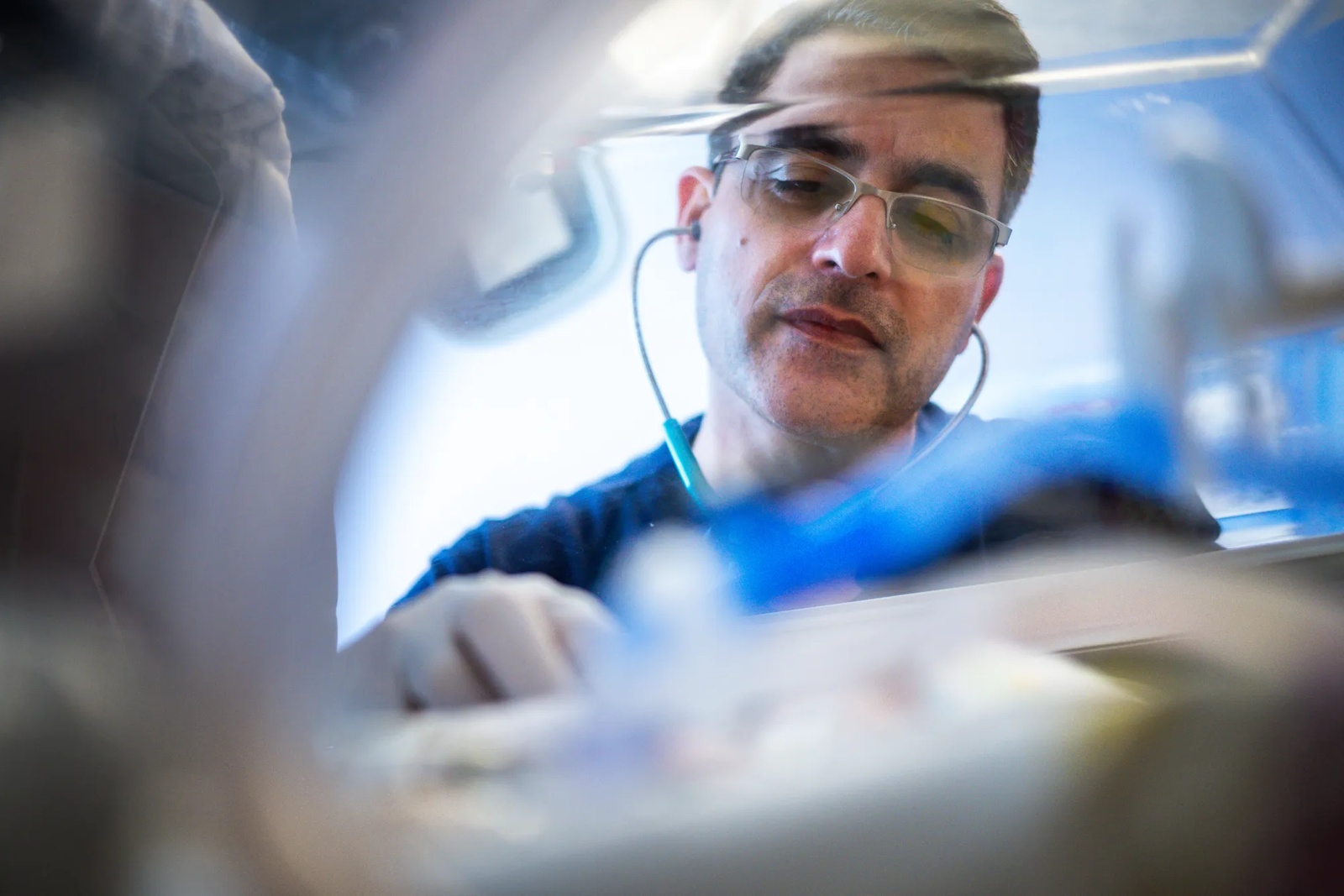
Meet the Care Team
Patient Stories
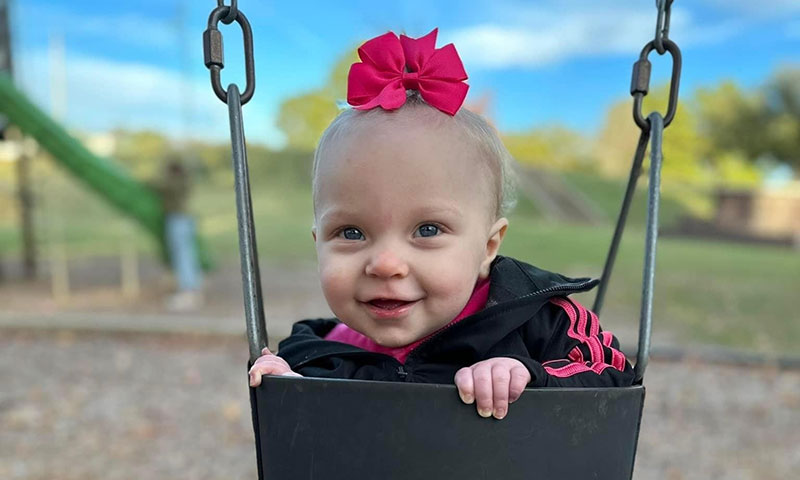
Emberlyn's story: Breathing easier with a new level of care
When Morgan and Brooke’s first baby Emberlyn was born early at just 33 weeks, they were ecstatic that she was eating and breathing well enough that they could leave the hospital after only two and half weeks. That was a huge success for a 4-pound "preemie."
Conditions We Treat
Pediatric abdominal masses
Pediatric achondroplasia (dwarfism)
Pediatric ambiguous genitalia
Anencephaly
Anorectal malformation (imperforate anus or ARM)
Congenital arteriovenous malformations
Pediatric biliary atresia
Bladder exstrophy
Bladder outlet obstruction
Bowel atresia
Pediatric chronic lung disease (CLD)
Cloacal exstrophy
Colon atresia
Congenital diaphragmatic hernia (CDH)
Congenital heart disease
Congenital infections
Congenital lung lesions
Congenital pulmonary airway malformation (CPAM)
Pediatric craniosynostosis
Cystic fibrosis (CF) in children
Pediatric cytomegalovirus
Down syndrome in children
Pediatric duodenal atresia
Encephalocele in children
Esophageal atresia (EA)
Pediatric feeding disorder
Pediatric edema
Pediatric enteroviruses
Pediatric gastroesophageal reflux disease
Gastroschisis
Goldenhar syndrome (oculo-auriculo-vertebral dysplasia or OAV)
Pediatric head and neck lumps
Pediatric hemophilia
Pediatric high blood pressure (hypertension)
Hirschsprung's disease
Hydrops
Pediatric hyperbilirubinemia (jaundice)
Pediatric hypotonia
Hypoxic-ischemic encephalopathy (intrapartum asphyxia - HIE)
Pediatric first unprovoked seizure
Pediatric intestinal disorders
Pediatric intraventricular hemorrhage and stroke
Jejunal and ileal atresia
Pediatric lordosis (sway back)
Lordosis (swayback) and kyphosis in children
Meconium aspiration in newborns
Pediatric mediastinal mass
Pediatric metabolic diseases
Pediatric necrotizing enterocolitis (NEC)
Newborn tumors
Noonan syndrome (NS)
Omphalocele
Pediatric patent ductus arteriosus (PDA)
Pediatric persistent pulmonary hypertension
Pierre Robin syndrome
Pediatric pleural effusion
Pneumonia in children
Poland syndrome
Prematurity
Prenatal drug and alcohol exposure
Pulmonary sequestration
Pediatric pyloric stenosis
Pediatric Low Blood Pressure (Hypotension)
Muscular dystrophy (MD) in children
Renal malformation
Pediatric respiratory distress syndrome (RDS)
Retinopathy of prematurity (ROP)
Pediatric rubella (German measles)
Sepsis and meningitis in children
Pediatric short bowel syndrome
Skeletal dysplasias and abnormalities
Spina bifida
Pediatric syphilis
Tay-Sachs disease
Pediatric toxoplasmosis
Tracheoesophageal fistula (TEF)
Low birth weight
VATER syndrome (VACTERL association)
Pediatric laryngomalacia
Brachydactyly (symbrachydactyly)
Pediatric Ehlers-Danlos syndrome (EDS or elastic skin)
Pediatric encephalopathy (encephalitis)
Open neural tube defects (ONTDs)
High Frequency and Jet Ventilation
Nitric Oxide
Total Body Cooling
Subspecialty Consultations
Radiology Services
Treatments & Services
Pediatric extracorporeal membrane oxygenation
Kangaroo care
Fetal and ex-utero intrapartum treatment (EXIT) procedure
High Frequency Oscillator and Jet Ventilation
Nitric Oxide
Pre and Post-Surgical Care
Total Body Cooling
More Details
Each year, more than 650 newborns are referred for a higher level of care to the Level IV NICU at Children’s Health because we have the expertise to help treat even the most complex diseases.
A Level IV NICU is specifically designed to meet the needs of premature and critically-ill newborns. We’re capable of caring for babies born at all gestational ages and with any medical or surgical disease. Our Level IV distinction means we won’t refer your baby to another hospital for care: We have everything newborns need right here.
From providing respiratory support to surgical procedures, renowned neonatologists, surgeons and pediatric sub-specialists from UT Southwestern can care for any and all neonatal health issues. But it’s not just top doctors who care for your baby. Nurses, nurse practitioners, respiratory therapists, pharmacists, dietitians, social workers, child life specialists and therapists make sure you and your family have the support to help your baby get healthy and strong.
Nationally recognized and charting the course for other NICUs
U.S. News & World Report ranks Children’s Health among the nation's top programs in neonatology. This ranking reflects how we use the latest, most innovative treatments to help babies grow up strong.
We are the only NICU in North Texas designated by OptumHealth™ as a Neonatal Center of Excellence. We achieved this distinction because we provide the best possible care for a broad range of health issues, with an emphasis on preventing avoidable complications.
As a member of the Children’s Hospital Neonatal Consortium, we work with other top-ranked NICUs to improve quality and safety at NICUs across the country. We’re also proud to serve as a regional referral center for other NICUs who send babies to us from across North Texas and beyond.
Featuring a soothing, healing environment
Our NICU recently expanded to include state-of-the-art equipment and upgraded amenities for your family. For instance, we keep your baby comfortable and secure by carefully controlling exposure to light, sound and physical contact.
Through bonding activities and informational sessions, you’ll learn more about the condition affecting your baby, find ways to become involved in your baby’s care and meet families going through NICU journeys of their own.
Leaders in telemedicine services
We were the first NICU in Texas to offer telemedicine services through the TeleNICU Program. Here’s how it works: Let’s say you live in Tyler, but don’t want to uproot your whole family to come to Dallas for a second opinion. Our team will connect with your doctor through a high definition video and audio connection, evaluate your baby and help them decide what to do next.
Our TeleNICU program brings families across Texas peace of mind, knowing they can stay within the comfort of their own home and support system, but still receive our expert-level care. In fact, half of all of the cases that we provide consults on by TeleNICU stay at the home hospital.
Follow-up care when you need it
You’ll breathe a sigh of relief once your baby “graduates” from the NICU, but you might be worried about what to do next. That’s why we’ll go out of our way to answer your questions before you go home. We’ll also coach you to handle your baby’s ongoing medical needs.
If your baby requires follow-up care, our Thrive Program monitors infants to the age of 5 years old to make sure they’re on track to achieve developmental milestones for things like motor skills, cognition, speech and physical growth.